

AI isn't a feature to be designed around.
It's a fundamental shift
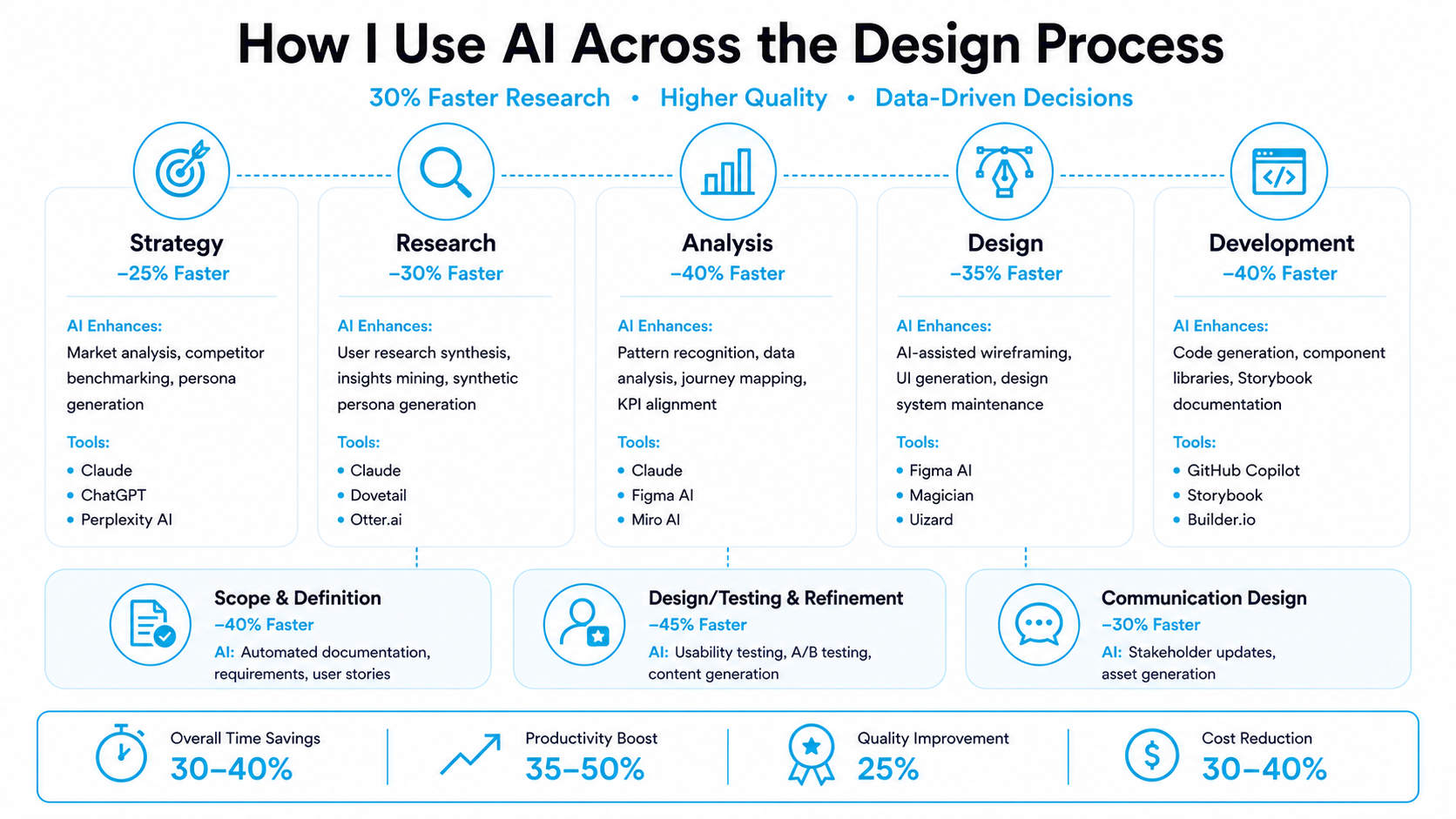
I’ve embedded AI into the design process at every layer — using synthetic personas to map segmentation strategy at scale, building agentic research tools that help business teams make faster decisions, and applying AI-assisted prototyping to accelerate discovery without sacrificing depth.
My approach is practical and outcome-driven.
Surface Insight Faster
Compressing research cycles and bringing clarity to complex, multi-market user data.
Close the Research Gap
Giving stakeholders direct access to synthesised findings, not just designers.
Keep Experiences Human
Ensuring AI-enhanced experiences remain transparent, trustworthy, and user-centred.
AI in Practice
What I've Actually Built
Four initiatives that show how AI has been embedded into the design process at e& Etisalat Group, across five markets.

AI Design Leadership
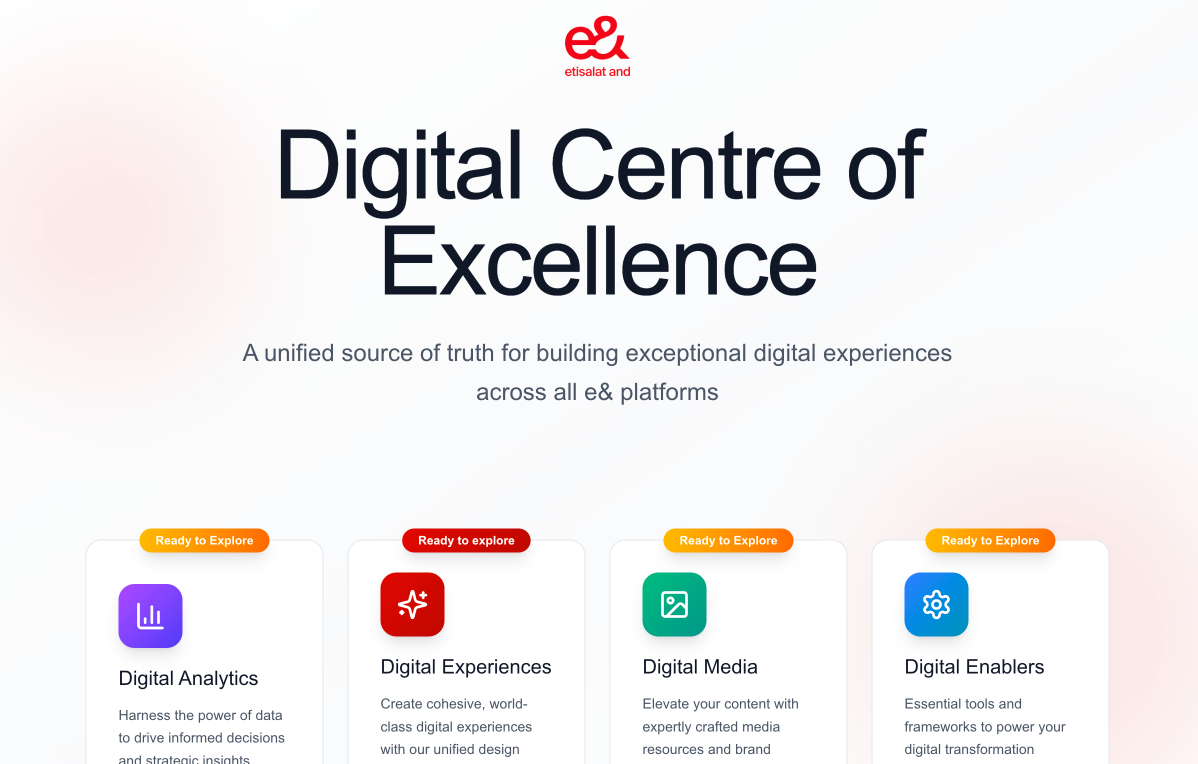
We built a centralised Research Centre that acts as the group’s single source of truth for user insight, housing all research findings, live analytics data, and market-specific personas across five operating countries. A self-serve capability , giving product, engineering, and business teams direct access to insight at the speed of decision-making.
% reduction in research time
markets transformed
Persona Generation
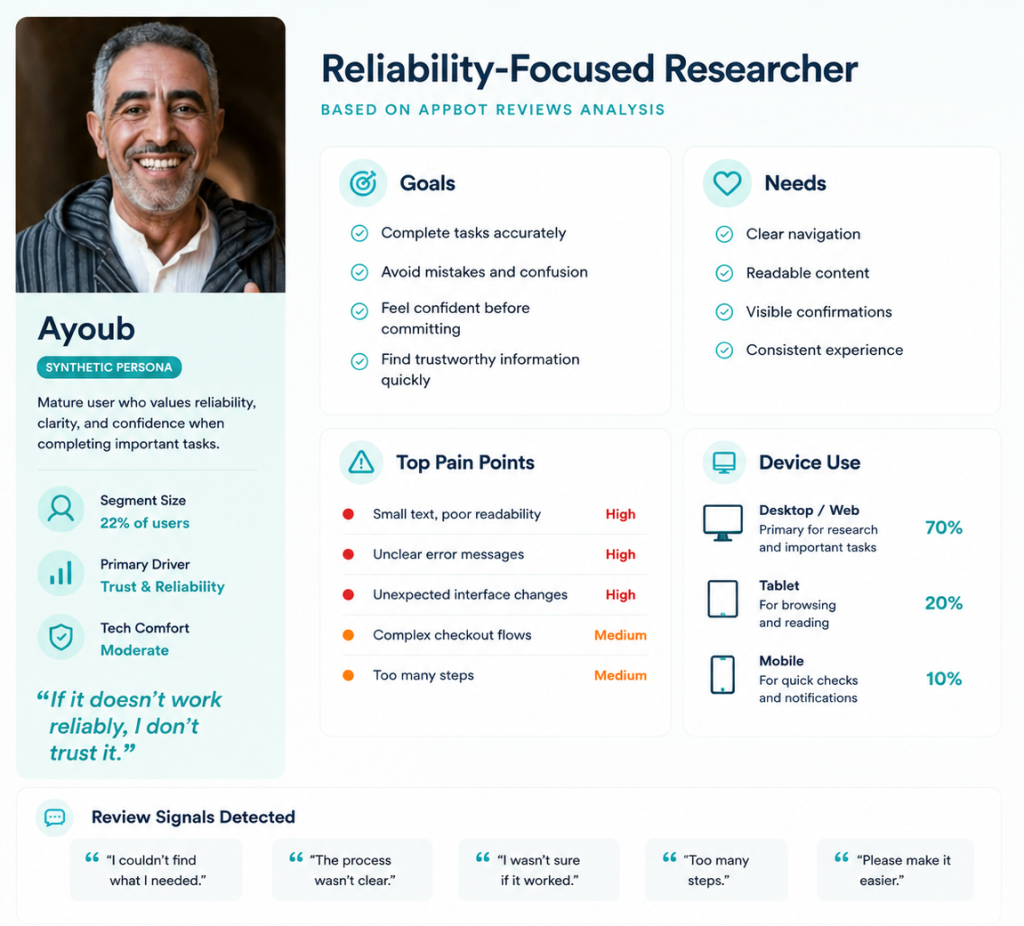
AI-assisted synthetic personas to map segmentation strategy across e& Etisalat’s five markets, enabling rapid modelling of diverse user archetypes before a single screen was built.
% faster discovery
markets transformed


AI-Assisted Prototyping
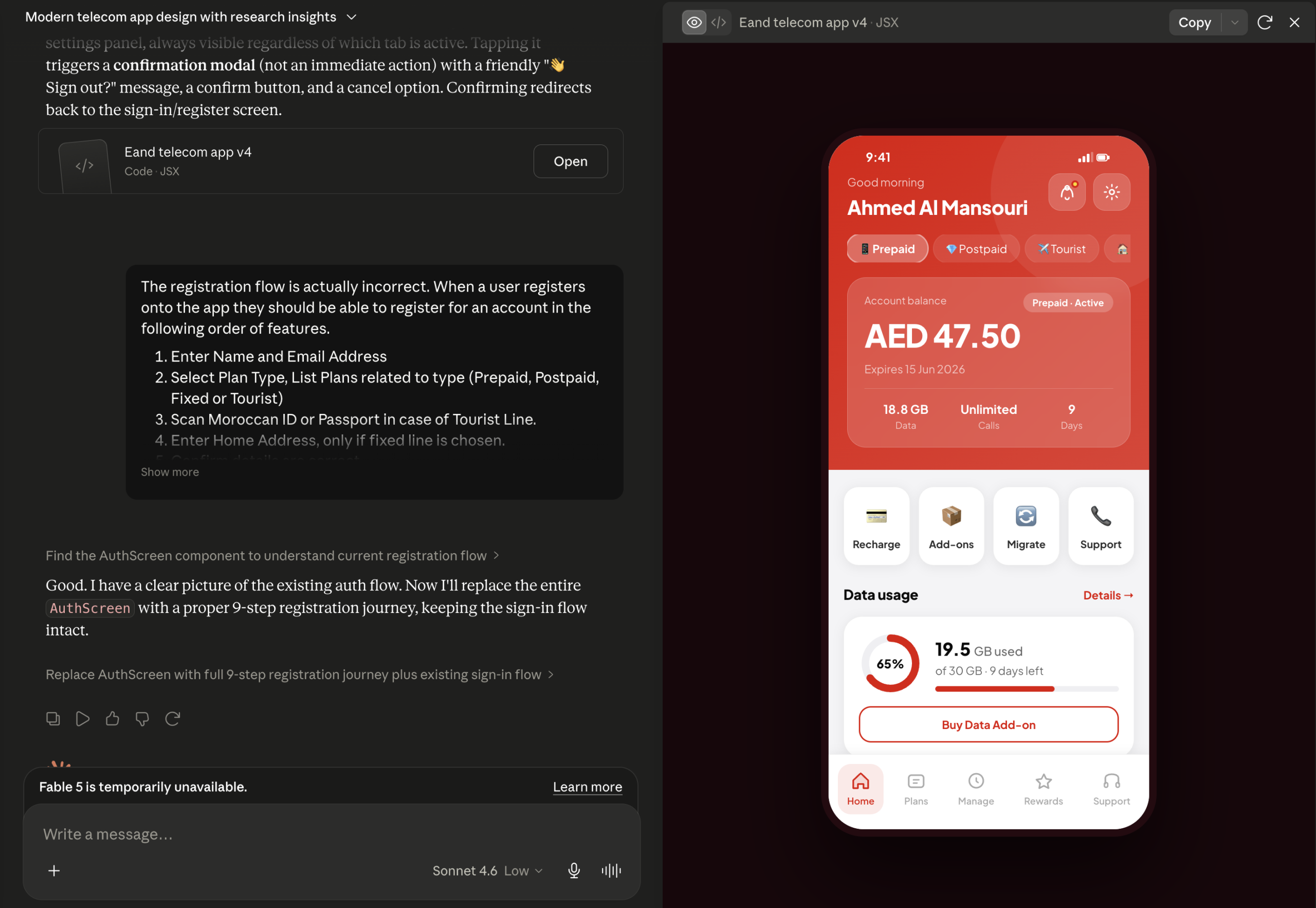
Integrated Claude and Figma AI into the team’s core workflow, accelerating from brief to testable prototype and reducing the distance between discovery and delivery.
% faster delivery vs agency
markets transformed
AI Governance Framework
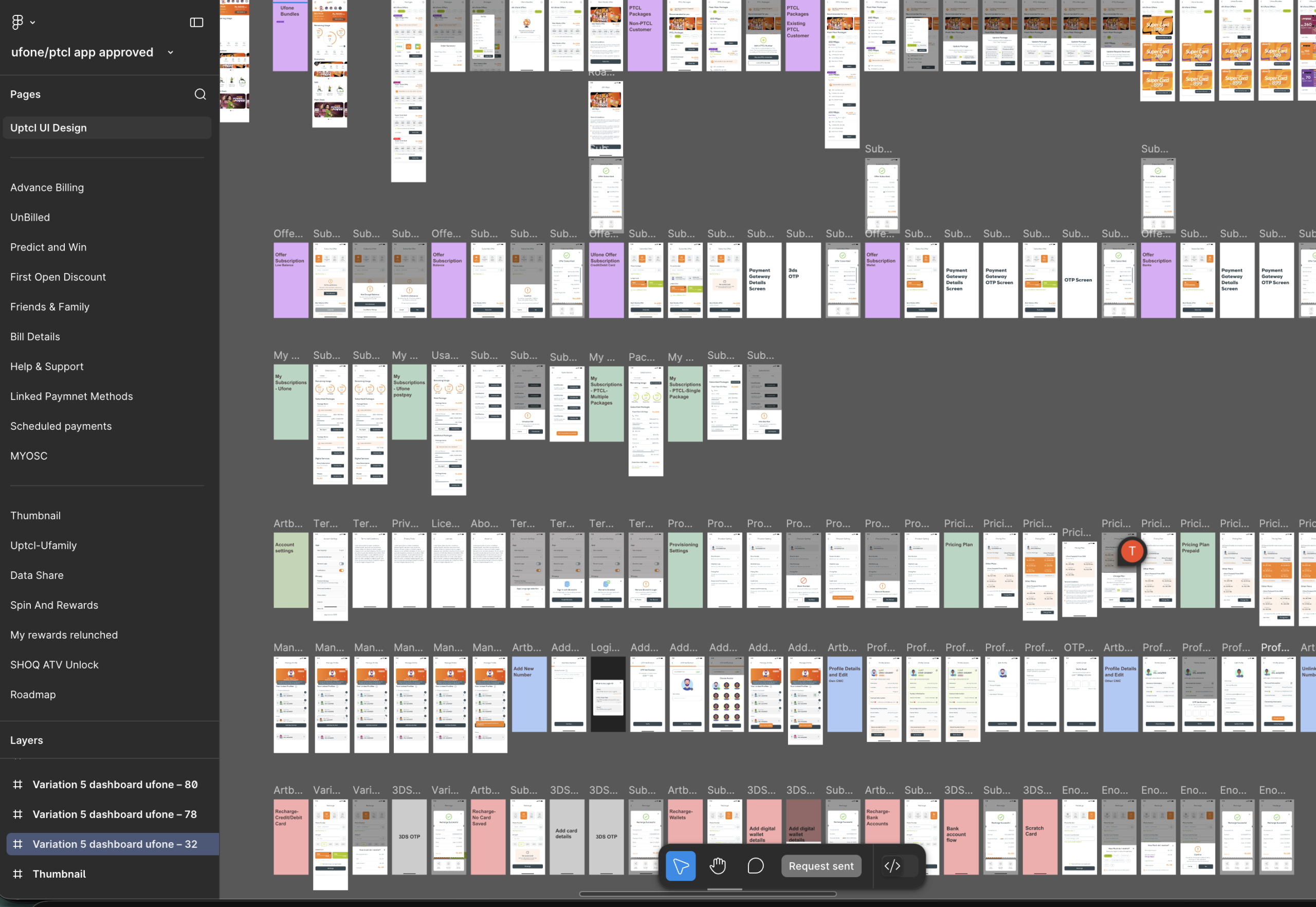
Co-led the development of a group-wide AI Governance Model, defining how AI is used responsibly in the design process, ensuring consistency and accountability across all five markets and agency partners.
% reduction in governance workload
markets transformed


Questions I get asked about
AI & Design
How I think about AI, how I use it, and how I lead teams through it.
How I use AI in my day-to-day design work?
AI is embedded across my entire workflow, from using Claude for rapid content generation and prototyping, to Figma AI for design iteration, and AI-powered tools for research synthesis. It’s not a separate step, it’s woven into how I work every day.
How I ensure AI outputs are still human-centred?
Every AI output goes through a human review layer. AI accelerates the work but the judgment on what’s right for the user, the market, and the business, always stays with the designer. AI handles the routine; humans handle the nuanced.
How I get design teams to adopt AI?
Through demonstration, not mandate. I build tools that make AI immediately useful, run workshops that show practical applications, and model the behaviour myself. Trust comes from showing teams that AI makes their work better, not redundant.
How I handle AI governance across multiple markets?
I co-led the development of a group-wide AI Governance Model that defines how AI is used responsibly across all five markets, ensuring consistency, quality, and accountability regardless of which team or agency is involved.
My view on whether AI can replace UX researchers?
No, and it shouldn’t try to. AI can synthesise data faster, generate personas at scale, and surface patterns across large datasets. But the empathy, the contextual judgment, and the ability to ask the right questions, that is in my opinion irreplaceable human work.
My view on AI-generated design?
AI-generated design is a starting point, not a finish line. It’s useful for rapid exploration and ideation, but world-class design requires cultural understanding, strategic thinking, and craft that AI currently can’t replicate. Use it to go faster, not to cut corners.
Selected Work
From Self-Care to Super-App
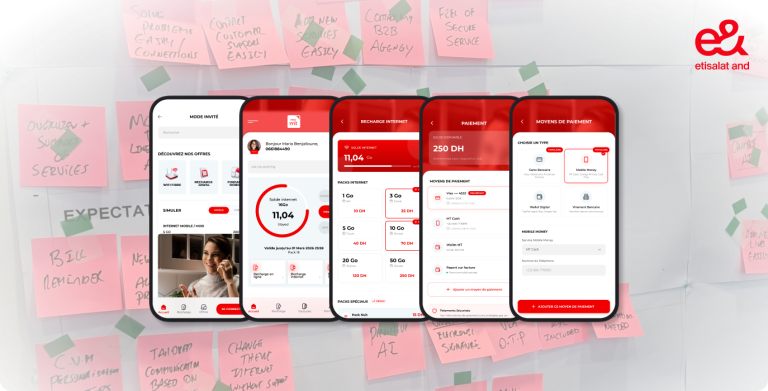
Transformed five telco self-care apps into a regional super-app ecosystem across Pakistan, Afghanistan, Egypt, Saudi Arabia, and Morocco, driving a 31% increase in Monthly Active Users group-wide.
Customer Journey Transformation
Led a group-wide digital experience strategy across 5 regulated markets, defining a six-pillar customer lifecycle framework that delivered a 31% increase in Digital Gross Additions and reduced call centre volumes by 13%.